
No Product.
No Problem.
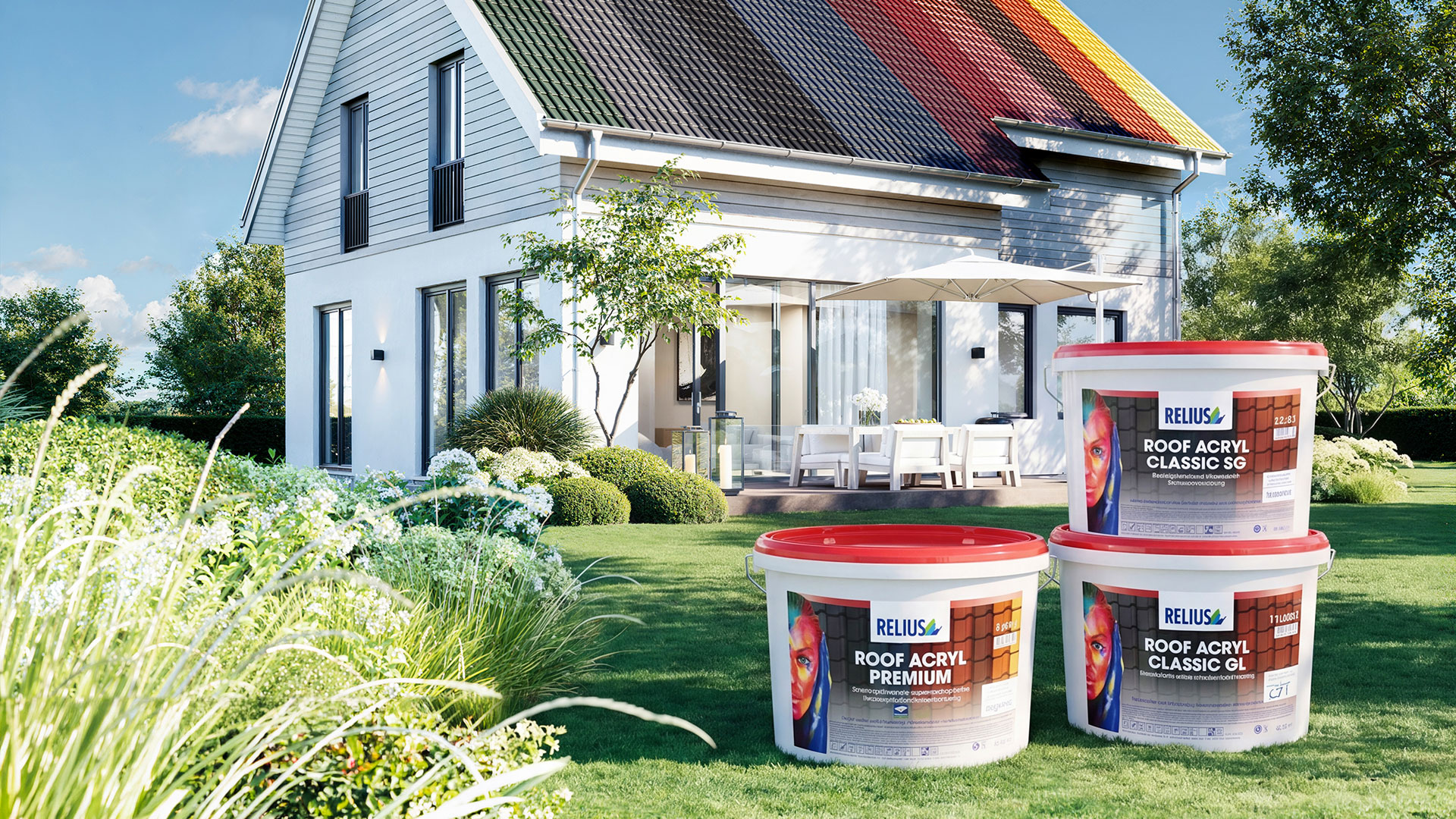
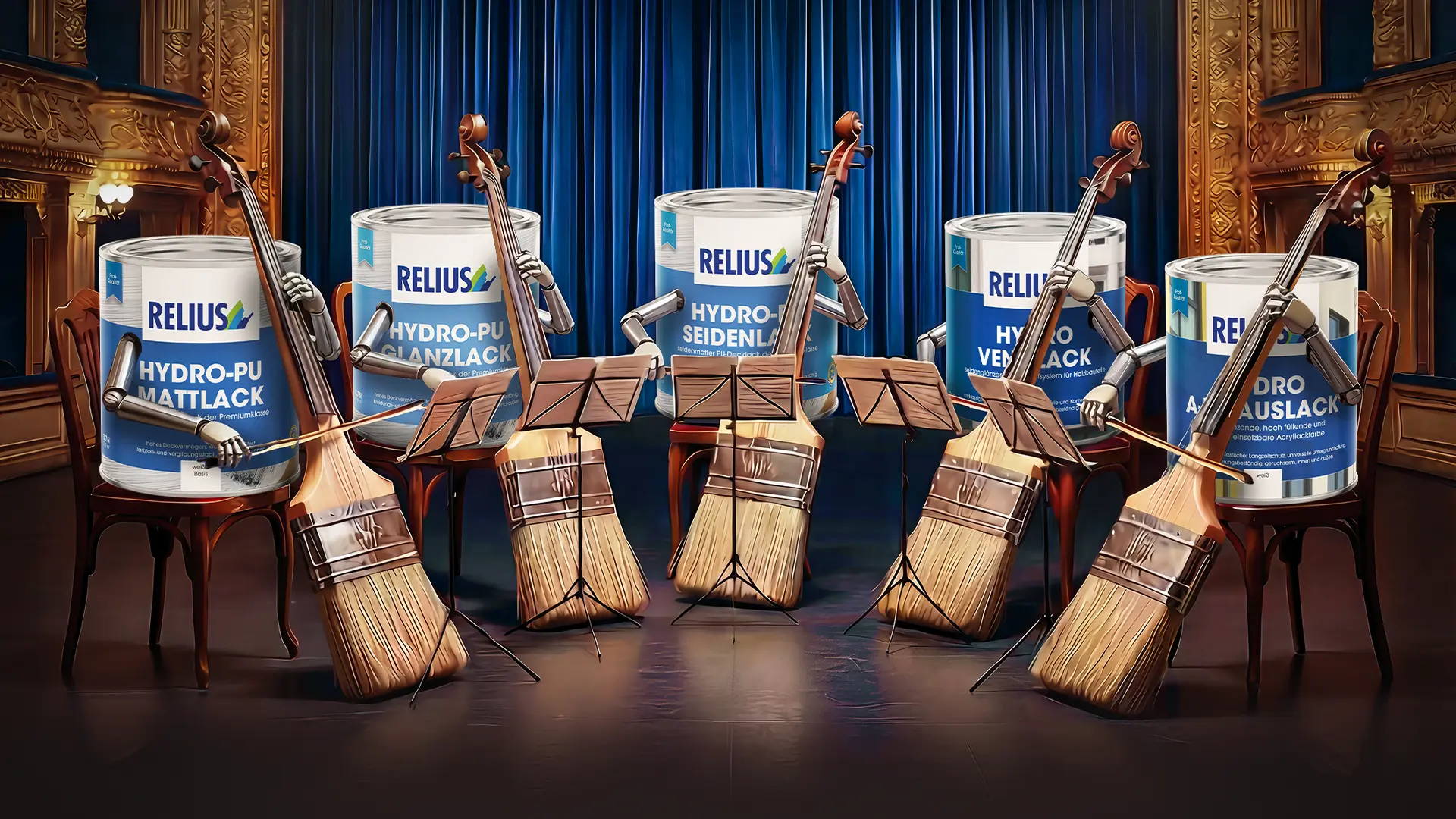
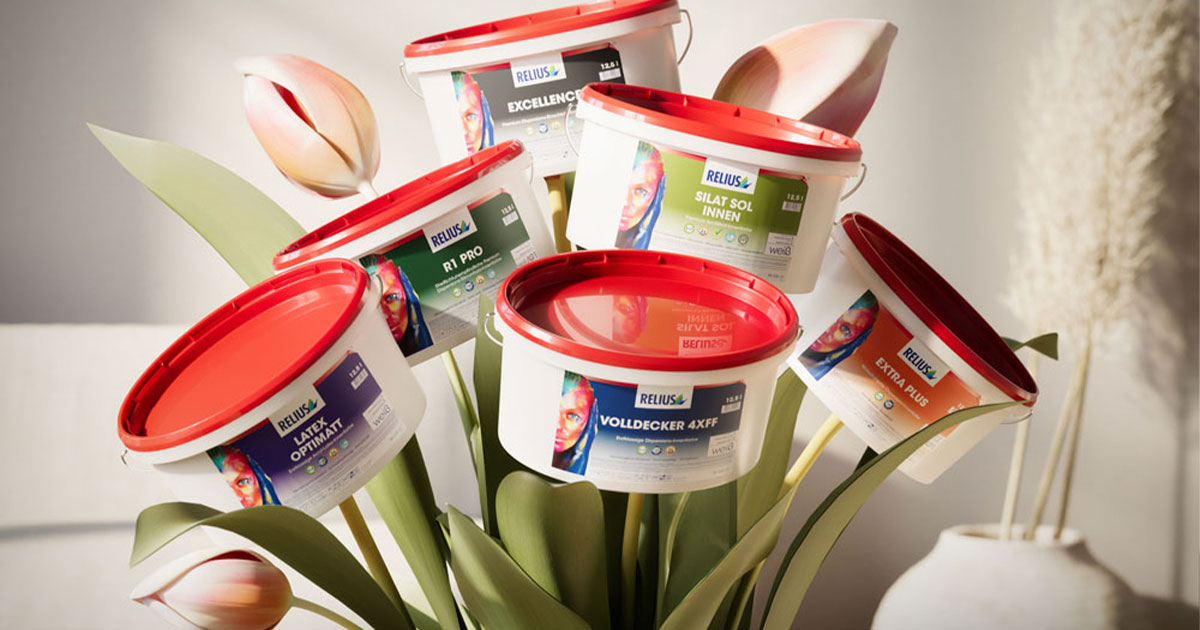
Campaign visuals through a fusion of 3D, AI and stock material.
How do you create realistic image worlds for products that don't physically exist yet?


01 The starting point
Launch date set. Packaging ready. Sales waiting for material. Only one thing missing: a photographable product sample.
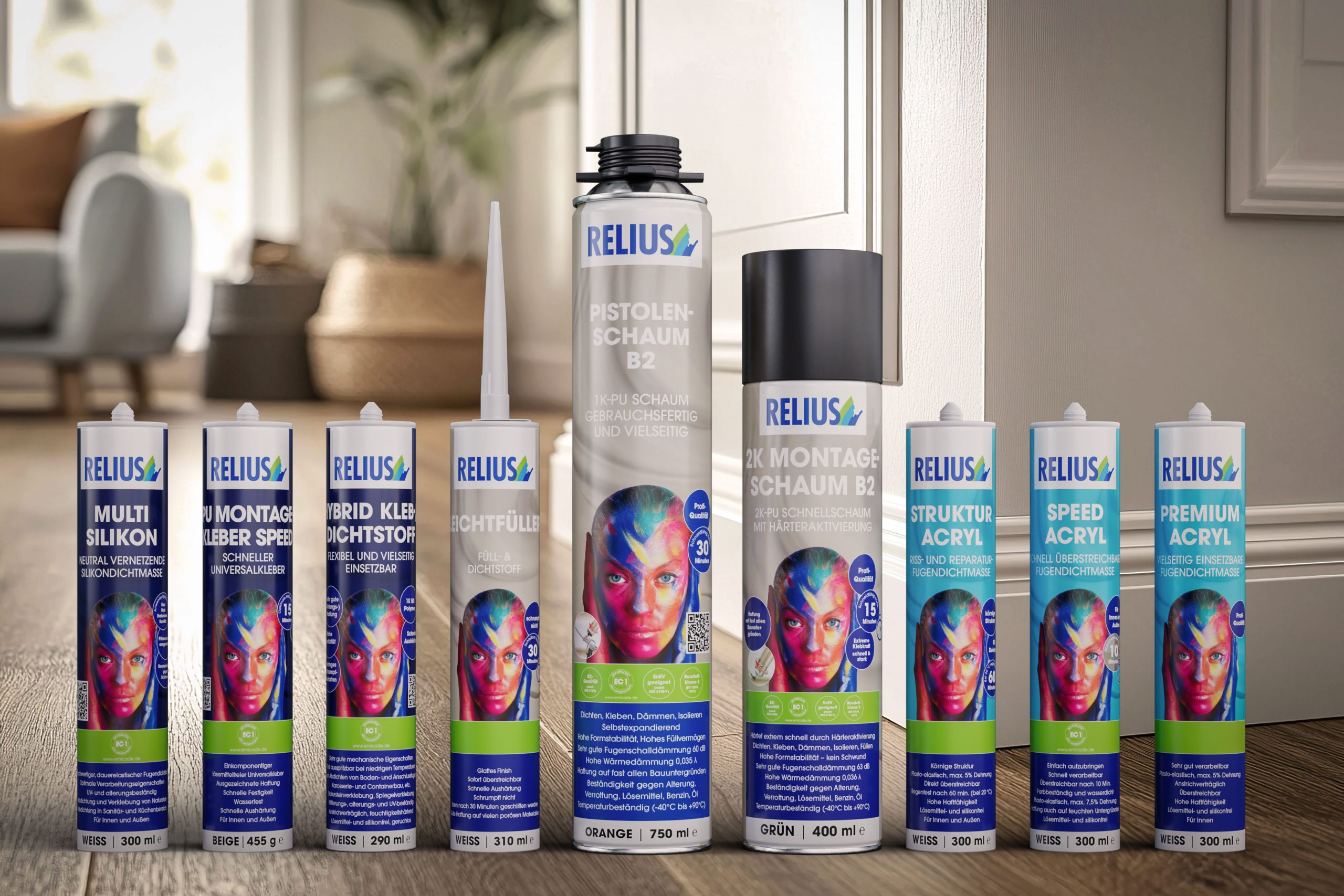
That is exactly the situation we faced at the market launch of the new Relius sealant line. Nine products at once — from gun foam to hybrid adhesive to multi-silicone. Packaging design final, production not yet underway. And still, sales and retail needed imagery immediately: for ads, product sheets, the website, the trade-show booth.
A classic timing challenge. The classic trap: either you postpone the campaign start and lose the season opener — or you push through in the photo studio with mock-up samples that never quite look like the final product.
02 Three sources, one composition
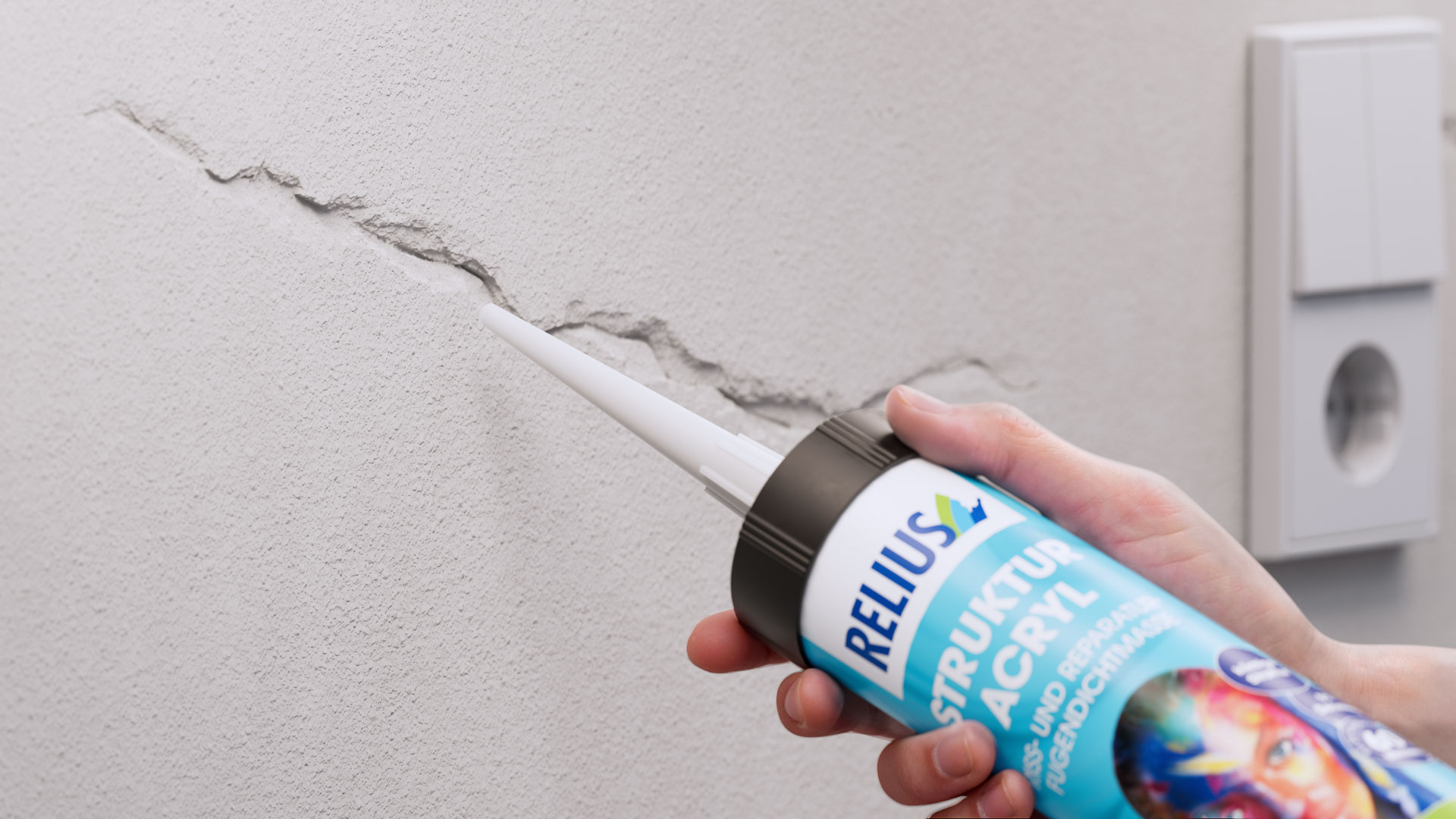
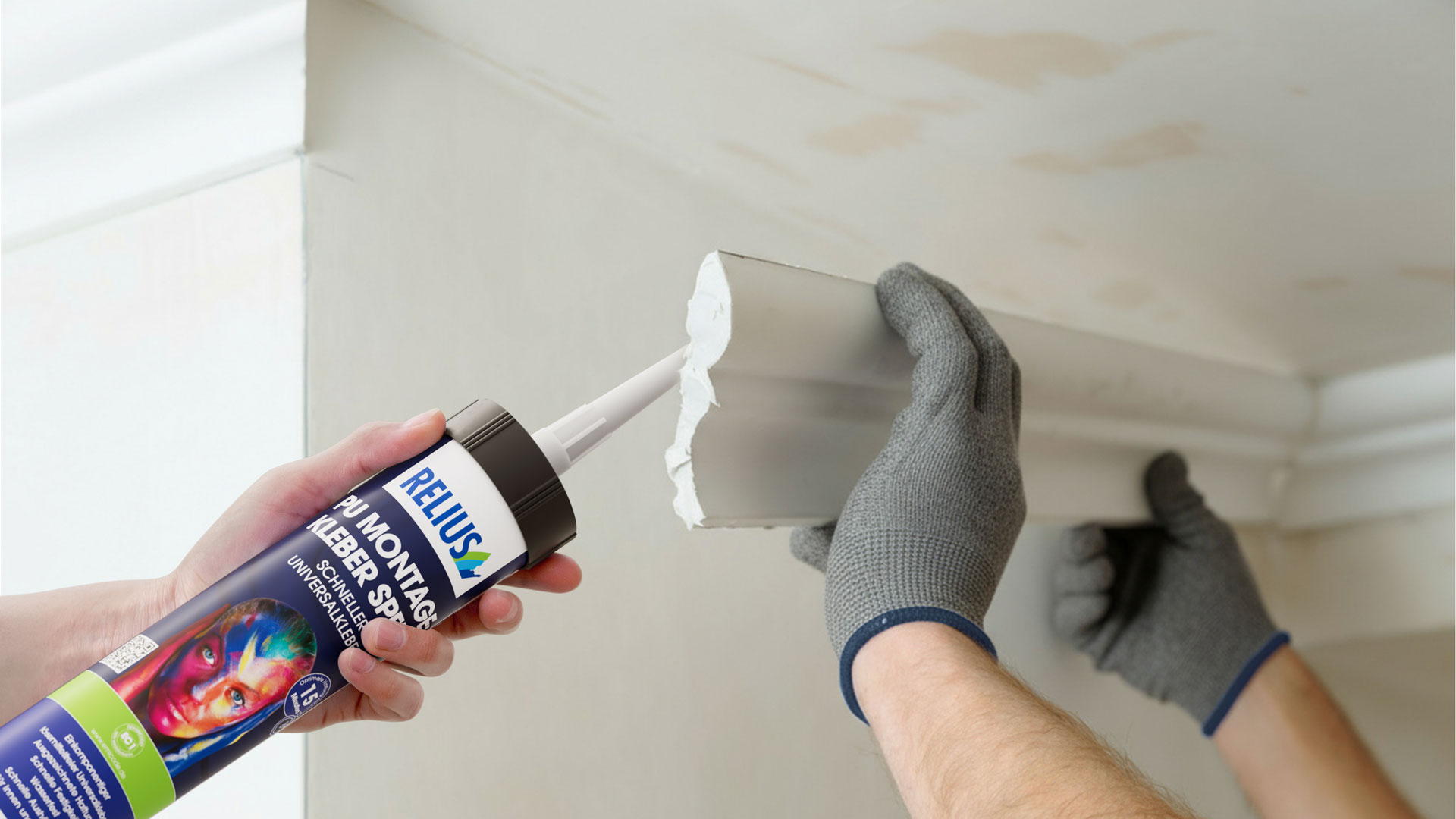
We chose a third way. Three image sources, one composition. Stock material delivers authentic spaces and materials. AI extends, varies and contextualizes. 3D rendering builds the products. Compositing holds it all together.
On its own, each of the three sources falls short. Pure AI breaks on label fidelity. Pure 3D renderings look sterile without surroundings. Pure stock material delivers no product-specific scenes. Only the fusion holds up.
We are not an AI agency. We are not a 3D studio. We are not a stock curator. We are all three — and we decide, image by image, which source leads. That decision can't be made ideologically, only through craft.
03 Environments from AI & stock
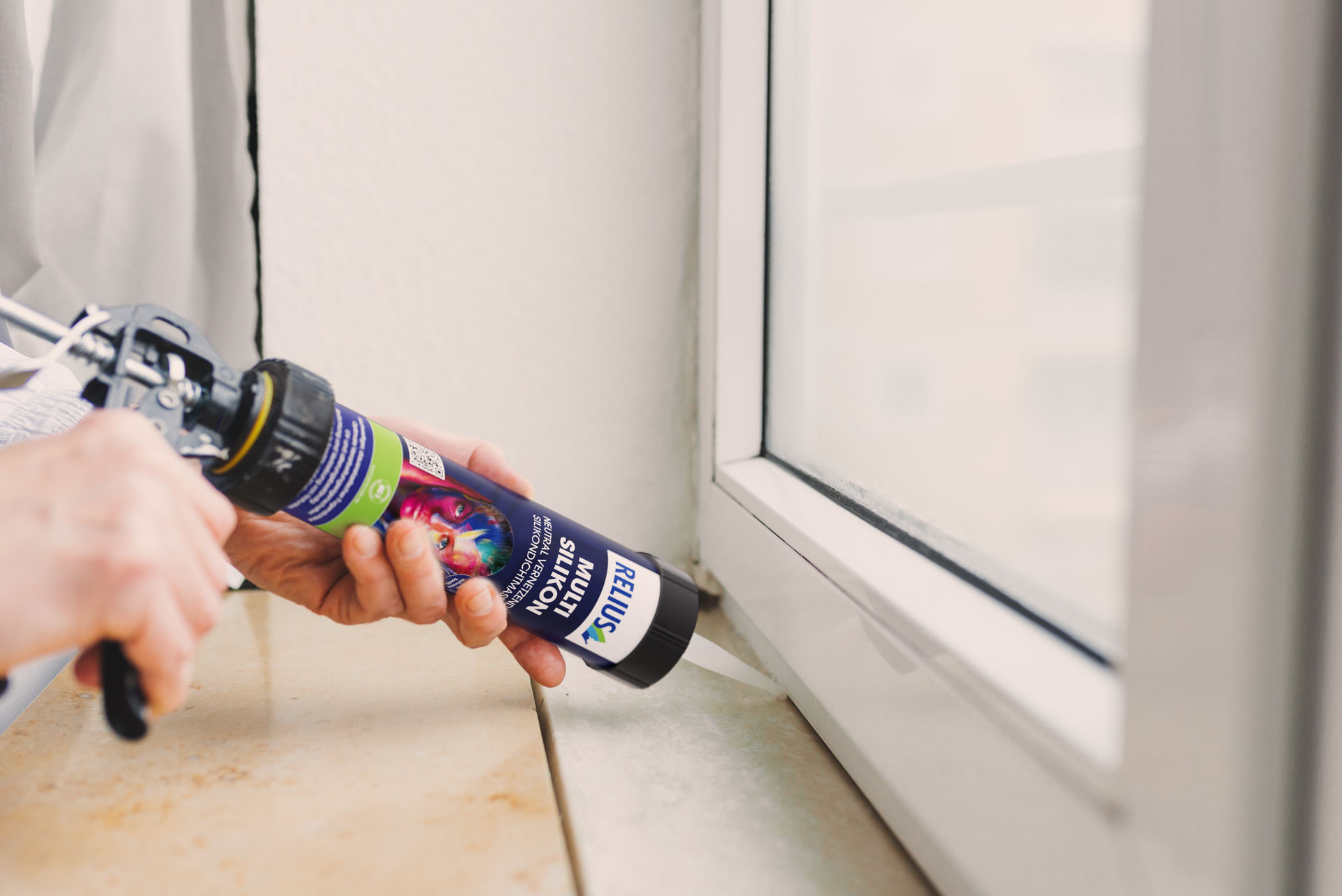
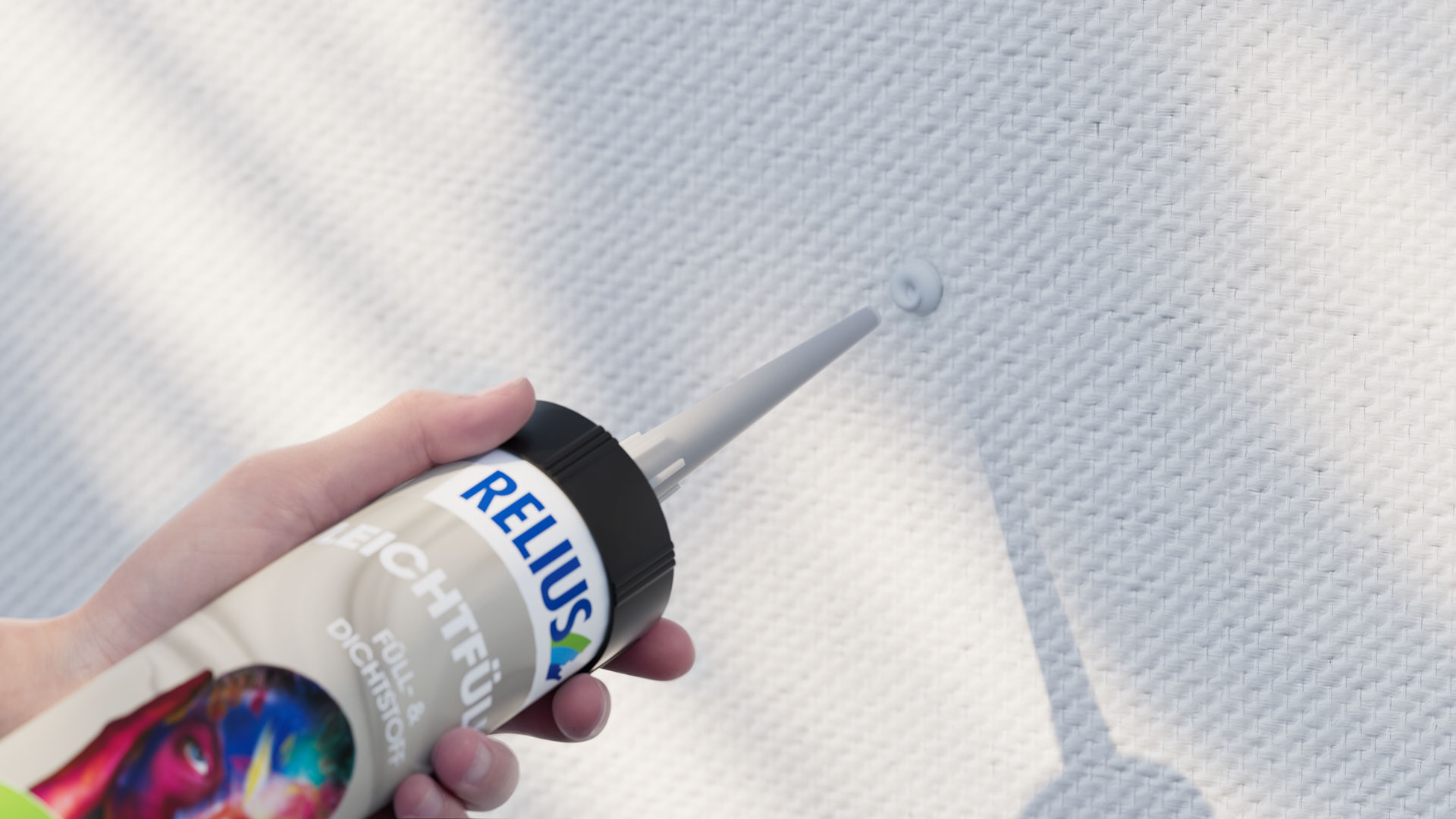
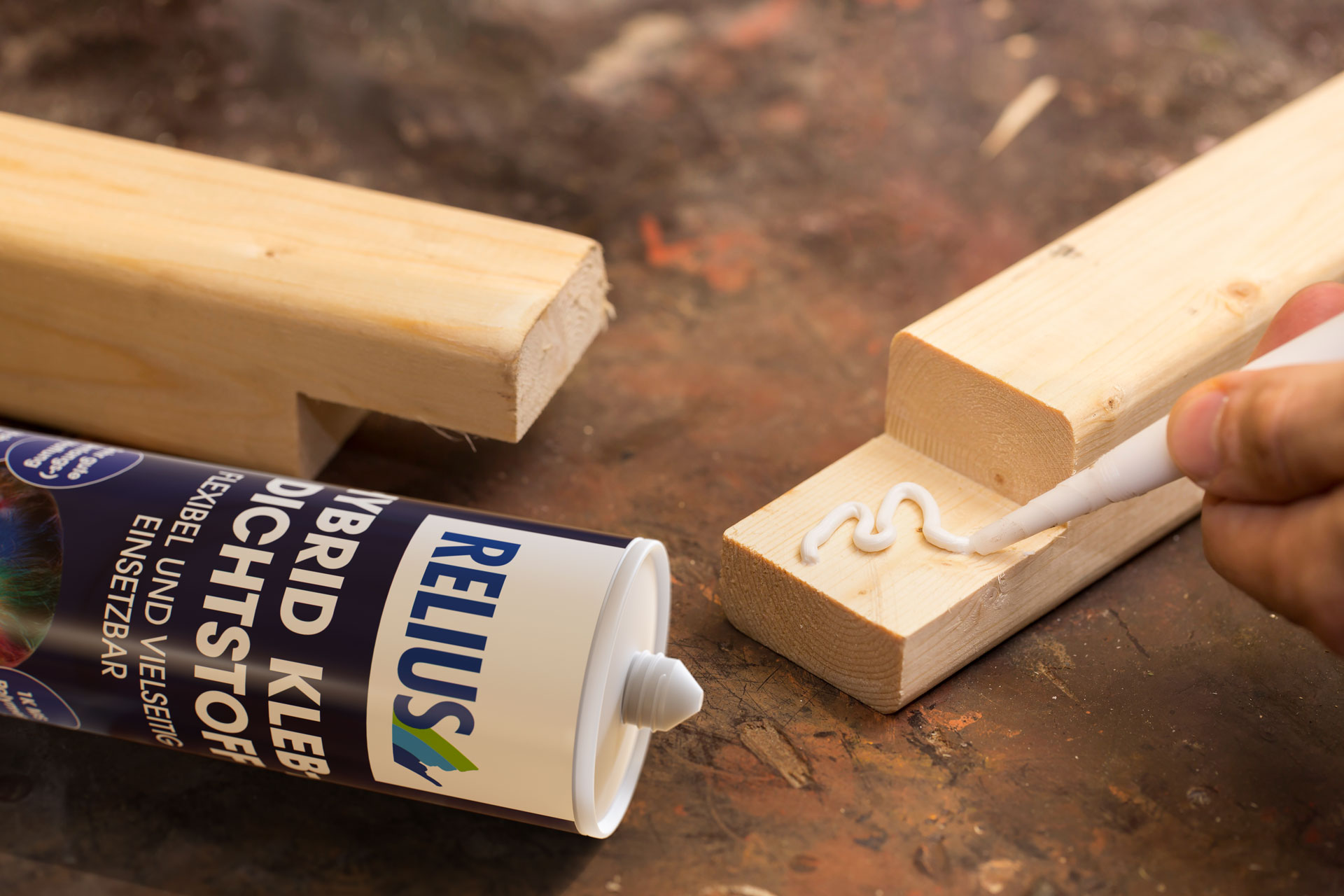
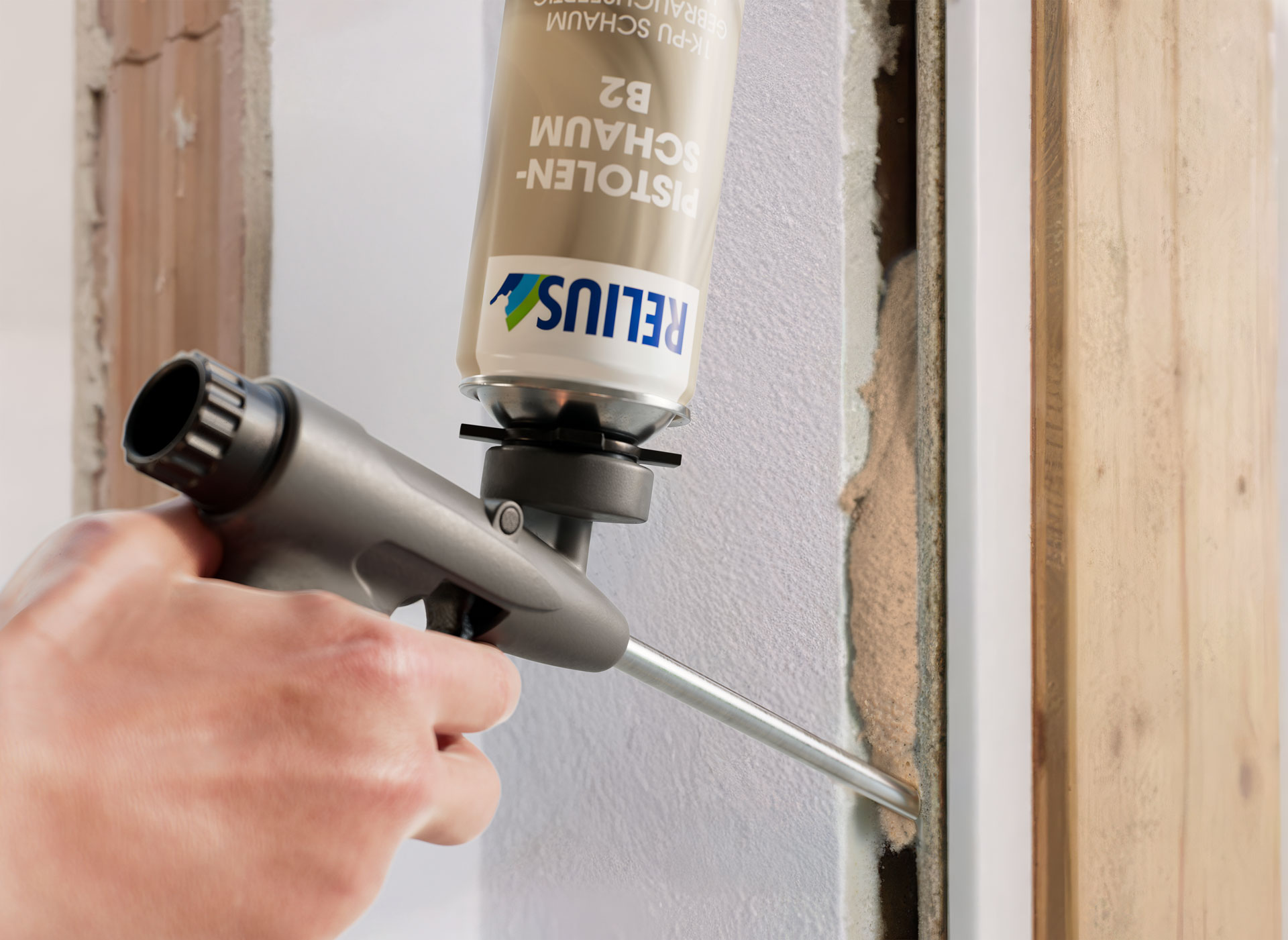
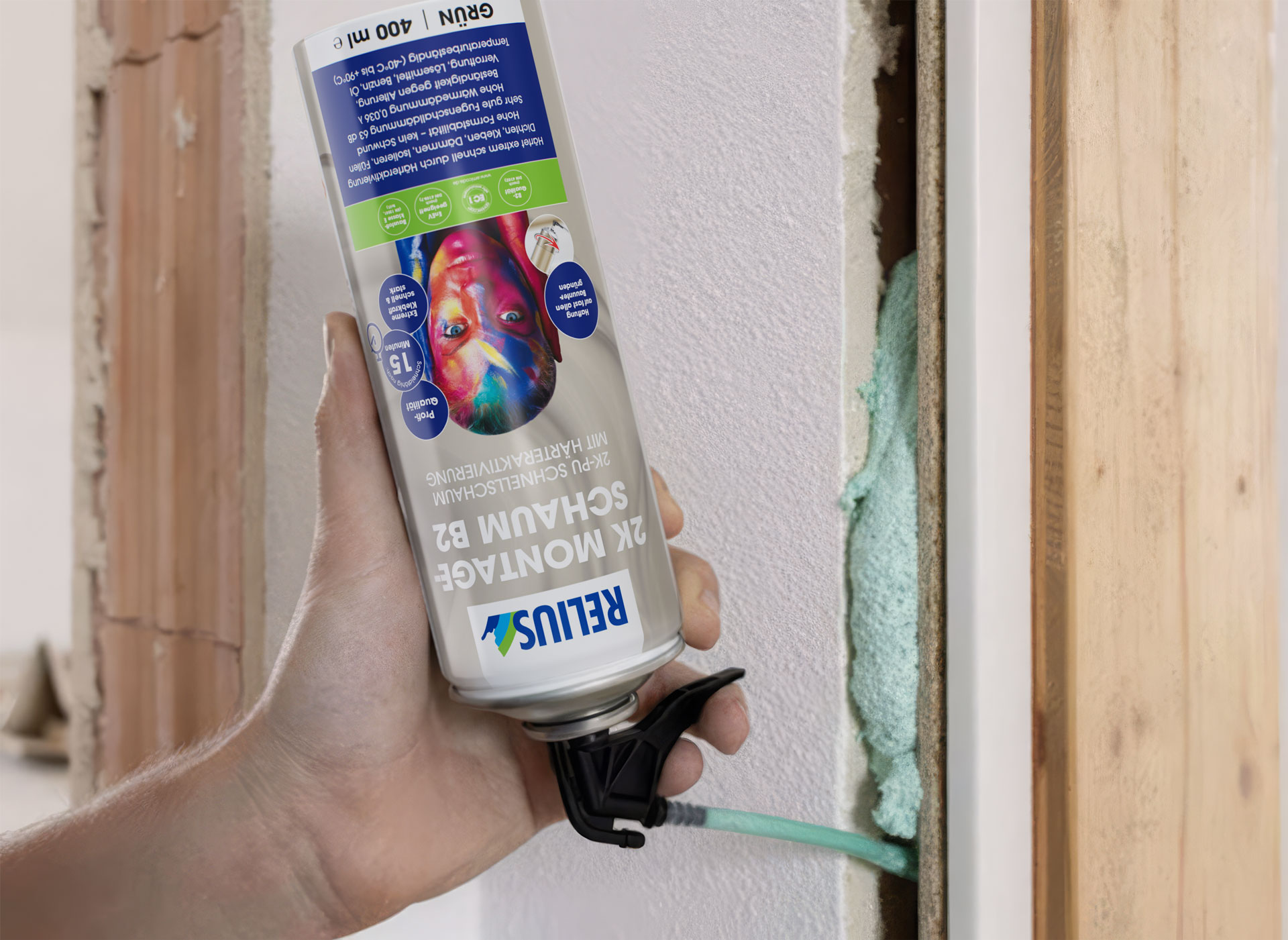
Bathroom, window reveal, workshop, stairwell, stucco-trim interior, plastered wall. Six scenes, six application contexts. Stock material provides the base: real spaces, real materials, real lighting situations. AI extends and varies: a calmer background, a warmer light mood, a different furniture setup. Hours instead of shooting days. No locations, no scouting, no waiting for the light.
Every scene is built around the product context. Multi-silicone in the premium bathroom. Hybrid adhesive on the workbench. 2K assembly foam at the construction-site window reveal. No off-the-shelf stock-photo cliché.
04 Products from 3D
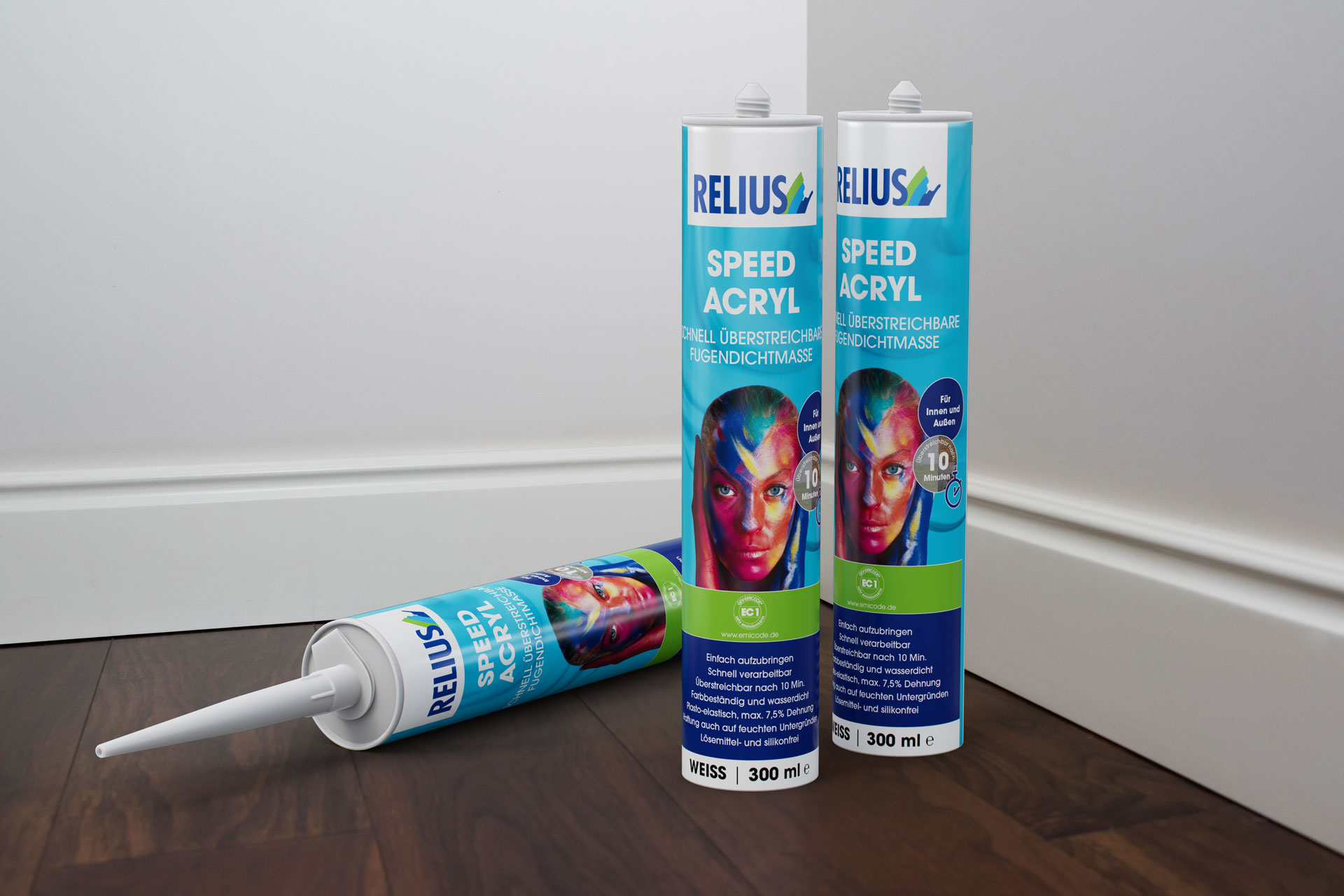
AI falls short here. Hallucinated logos, distorted lettering, random cap geometries — none of it is launch-ready. Each of the nine packages was rebuilt from print data and CAD. Cartridge shape, cap, label, lettering, material character. Aluminum gleams differently than plastic. Cardboard with film lamination reflects differently than matte print.
Demanding, yes. But the prerequisite for the image on the product sheet to show exactly what later sits on the shelf.
05 The composite
Stock, AI and 3D each bring their own light sources, shadow directions and material characteristics. Layering them isn't enough — every eye sees instantly: that's a montage.
Align the light angles. Match the color temperature. Continue the shadow fall logically. Add reflections on tube surfaces. Tie depth of field and grain together. Classic image craft, without which the best AI and the best 3D sit in front of the scene instead of within it.
06 The result
Hero shot with the complete product family. Nine application scenarios. Two mood motifs. All ready to use before series production had even started. Sales, retail, ads, website, trade show — all served, in parallel with the production ramp-up.
07 What we take away
Three learnings we now apply to every comparable project:
First: hybrid beats pure. Rely solely on generative AI and you fall short on brand consistency and product integrity. Rely solely on classic production and you lose speed and variability. The combination is the real lever.
Second: the method follows the image element, not the ideology. For environments, AI image production is often the faster and better choice. For brand products, 3D rendering is the only defensible one. You make that decision image by image, not across the board.
Third: the composite isn't an afterthought, it's the actual discipline. Without clean light matching, shadow logic and material harmony, the final image is no better than its best single layer — if anything, worse.
Is your launch countdown already running?
Market launches without a series sample are doable. With stock material, AI and 3D, we build campaigns that have to hold up in retail, in ads and on the website.
Get in touch if you have a comparable project ahead of you.